
"G1 G2 G3 G4 G5"
400 article(s) found

Is Sidamo Shakiso Coffee good? the method of making Sidamo Coffee
Professional barista communication please pay attention to the coffee workshop (Wechat official account cafe_style) factory name: Dazhen Coffee Qianjie Cafe location: 10 Baoqian Street, Guangzhou manufacturer contact information: 020-38364473 ingredients table: home baking shelf life: 90 net content: 227g packaging: raw maturity of bulk coffee beans: whether coffee beans contain sugar: sugar-free origin: Ethiopian coffee species

Taste and flavor of Sidamo Shaquiso Coffee characteristics of Sidamo Shaquiso
Exchange of professional baristas Please follow the Coffee Workshop (official Wechat account cafe_style) Flavor description: lemon and citrus, bright and crisp acidity, lemon, citrus, white grape juice, blackcurrant, tail Earl tea feeling Indonesian and African coffee beans are graded according to the proportion of defective beans, Indonesian beans are mainly divided into 6 grades, namely G1G6. The highest grades of washed beans are G 1 and G 2; sun exposure

Flavor characteristics of coffee beans in Xia Qi Sochiso producing area of Ethiopia
Flavor characteristics of coffee beans in the Ethiopian Shaqi Socheso region the taste of varieties of coffee in Ethiopia the Buna ceremony in Ethiopia is a long process, with an average of about 1.5 hours. The ceremony, which takes place every day, aims to come to the conclusion that it may be a marriage proposal or a mediation of family conflict. The first is roasted coffee beans. When the coffee beans are roasted, they are made up of

What do the English and numbers on the coffee bag mean?
Professional barista communication Please pay attention to coffee workshop (Weixin Official Accounts cafe_style ) We often see some English words and numbers on the label of coffee name. In addition to representing the name of origin, they also have English words or combinations of English and numbers like codes: for example: Kenya AA Special, Colombia Supremo, Ethiopia Yirga Kochere G1, Sum

Introduction to the method of Grinding and Calibration for describing the Flavor of Coffee Manor in Ethiopia
Yega Xuefei's coffee trees were planted by monks in Europe and later transferred to farmers or cooperatives. Yega Xuefei is actually constructed by the surrounding coffee communities or cooperatives, including: Hafusha, Hama, Biloya. These mountain villages are foggy, like spring all the year round, with a gentle breeze in summer, cool but not hot, rain but not damp, and unique in winter.

A brief introduction to the History and Culture of the Origin and Development of Fine Coffee beans
Sun Yega snow coffee, beans are small and neat short round, Ethiopian sun beans are generally G3--G5, but this bean is G2, equal to the grade of washed beans, although there are still a few defective beans, but compared with Harald and Sidamo sun beans, it is commendable that Yirga cheffe is a small town in Ethiopia, 1700-2100 meters above sea level, is also Ethiopia
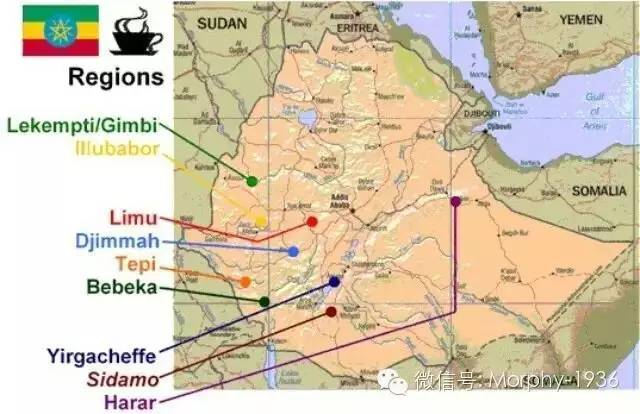
Introduction of boutique coffee beans Ethiopian coffee
Ethiopia is the hometown of Arabica coffee, and it is in the forests of Kaffa that you can see wild Arabica coffee. In Ethiopian, coffee is called Bun or Buna, and coffee beans (coffeebean) may be translated from Kaffa Bun. Arabica coffee was discovered early in the Harald area, probably from Kafa.

Sidamo Shakiso Coffee producing area introduces how to brew Sidamo Coffee
Professional barista communication please pay attention to the coffee workshop (Wechat official account cafe_style) treatment: the coffee flavor treated by washing is not easy to have wild flavor, and has the characteristics of purity and freshness, which is suitable for the roasting degree of City to Full City; in some essential excellent Ethiopian water-washed coffee beans, you can sometimes detect a marked rise in lemons and oranges.

Flavor characteristics of Ethiopian Fine Coffee Ethiopian Coffee
Ethiopia is the hometown of Arabica coffee, and it is in the forests of Kaffa that you can see wild Arabica coffee. In Ethiopian, coffee is called Bun or Buna, and coffee beans (coffeebean) may be translated from Kaffa Bun. Arabica coffee was discovered early in the Harald area, probably from Kafa.
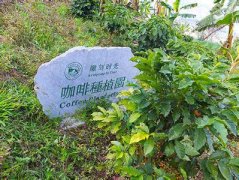
A brief introduction to the Origin and Development of Fine Coffee beans with elegant Fruit and Wine flavor
However, in the past two years, Yejia snow coffee is unusual, frequently launched amazing sun beans, and become a boutique market Deep-Fried Chicken! The beans are small, neat and round. Ethiopian sun beans are generally G3--G5, but this bean is G2, which is equal to the grade of washed beans. Although there are still a few defective beans, they belong to the sun beans compared to those of Harald and Sidamo.

Sidamo Shaquiso flavor describes which brand of Shakiso coffee is good.
For the exchange of professional baristas, please follow the Coffee Workshop (Wechat official account cafe_style) hand-made Sidamo. 15g powder, medium fineness grinding (small Fuji ghost tooth cutter 3.5grinding), v60 filter cup, 9193 degrees water temperature, 30g water injection for the first time, steaming for 27 seconds, water injection to 105g water cut off, wait for the powder bed water to drop to half and then water injection, slow water injection until 225g water, the end section is not

Characteristics of Sidamo Shakiso beans Sidamo Shaquiso coffee drinking method
For the exchange of professional baristas, please follow the coffee workshop (Wechat official account cafe_style) [factory introduction] Shakisso/Shakiso is located in the Guji region of Oromia, close to Sidama and Gedeo. There are many pits in this area, which were used to mine gold in the early days, so there are many pits in this coffee growing area.

What is the market of Sidamo Shakiso coffee beans? which brand of Sidamo coffee is better?
For professional baristas, please pay attention to the coffee workshop (Wechat official account cafe_style) varieties: local native species Heirloom producer: local small farmer flavor: White grape juice, citrus, Earl tea [Sidamo sidamo] Sidamo coffee flavor is very diverse, because different soil composition, regional microclimate and countless native coffee varieties have created each city.

Description of Coffee Flavor in Yega Fichel Manor; introduction to the characteristics of varieties and producing areas
Kochere Cochel is located in southwest Ethiopia, 25 miles to the north is the famous town of Yega Chefen, the production mode is mainly based on local small farmers to send the output batches to the cooperative for unified treatment. About 100000 people in the local village of Chalalacktu depend on coffee for a living, and related production activities become him.

Description of G3 Flavor and Flavor in Sidamo introduction of Grinding Calibration varieties for Regional treatment of Manor production
Sidamo G3 flavor description manor area treatment grinding scale variety introduction fruit fragrance is the most obvious, mixed with a hint of tea, there is no bitterness in the taste, and because it is sun-treated beans, there is also a special aroma left during fermentation, or wine aroma, which is very similar to that of the Bali organic bean.

Flavor description of Ethiopian Coffee Manor introduction of High-quality Coffee beans in producing areas
In February 1977, Lieutenant Colonel Mengistu Haier Maryam (MENGISTU HAILE MARIAM) launched a military coup and served as Chairman of the interim military Administrative Council and head of State. In 1979, the Ethiopian Labor people's Party Organization Committee, dominated by soldiers, was established to implement an one-party system. In 1984, the Ethiopian Workers' Party was formed according to the Soviet Communist Party model. Mengistu, September 1987

Introduction to the flavor description of sweet and sour Ethiopian coffee beans, the characteristics of taste and quality, grinding scale
Ethiopian coffee variety flavor description, taste and quality characteristics grinding scale introduces exactly how many Arabica subspecies there are in Ethiopia, even the official research unit of Ethiopia does not know. The coffee cooperatives in this mountain are certainly different from those planted in another mountain, and even small farmers in the same region grow different varieties of coffee. Some estimate that Ethiopian coffee is at least

What's the taste of Sidamo Shaquiso? how do you brew Shakiso coffee?
For the exchange of professional baristas, please follow the Coffee Workshop (Wechat official account cafe_style) hand-made Sidamo. 15g powder, medium fineness grinding (small Fuji ghost tooth cutter 3.5grinding), v60 filter cup, 9193 degrees water temperature, 30g water injection for the first time, steaming for 27 seconds, water injection to 105g water cut off, wait for the powder bed water to drop to half and then water injection, slow water injection until 225g water, the end section is not
Introduction to Ethiopian Coffee, the hometown of Arabica Coffee
Ethiopia is the hometown of Arabica coffee, and it is in the forests of Kaffa that you can see wild Arabica coffee. In Ethiopian, coffee is called Bun or Buna, and coffee beans (coffeebean) may be translated from Kaffa Bun. Arabica coffee was discovered early in the Harald area, probably from Kafa.

The causes and characteristics of the desolation of coffee forests in Ethiopia an introduction to the grinding scale of manor production areas
The reasons for the desolation of coffee forests in Ethiopia; the grinding scale of manor production areas; Getachew Mengistie, director of the Ethiopian Bureau of intellectual property, bluntly pointed out that farmers sell raw beans for $1.45 per pound, while Starbucks sells for $26 per pound in the United States, an 18-fold difference between the two places. The reason is that Ethiopia does not know to use intellectual property rights to create for farmers.